One of the most common questions we get from new members is:
“What shoes should I wear for workouts here?”
The short answer: if you’re doing a mix of strength training, cardio, jumping, and general functional fitness, you’ll usually want a cross-training shoe, not a traditional running shoe.
You do not need to rush out and buy a specialty shoe before your first class. But once you know you’re going to stick with training, the right footwear can make workouts feel more comfortable, more stable, and a whole lot better.
First, what kind of training are we talking about?
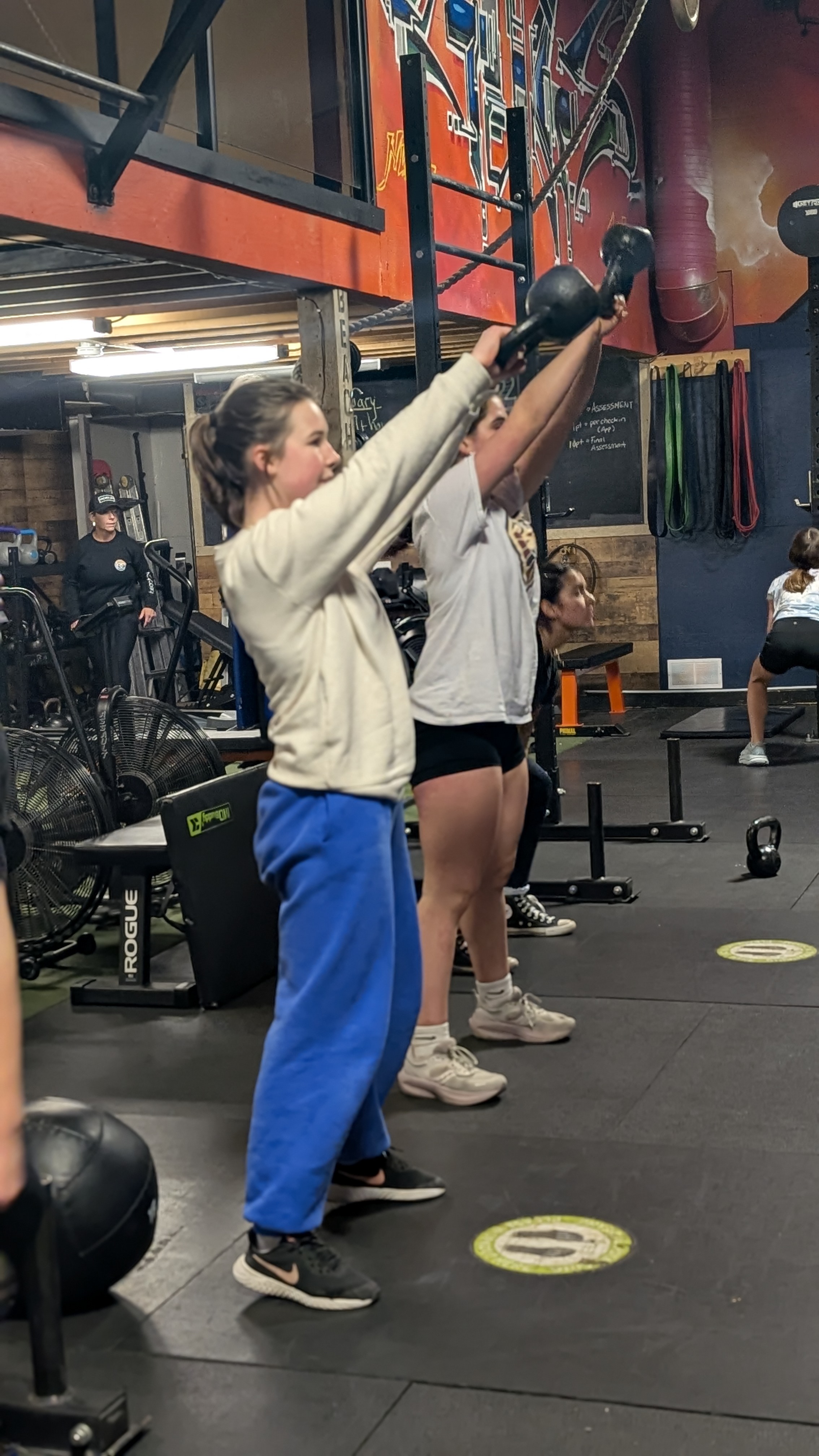
At Beach City Fitness, most workouts include a mix of things like:
- strength work such as squats, deadlifts, presses, kettlebell work, and carries
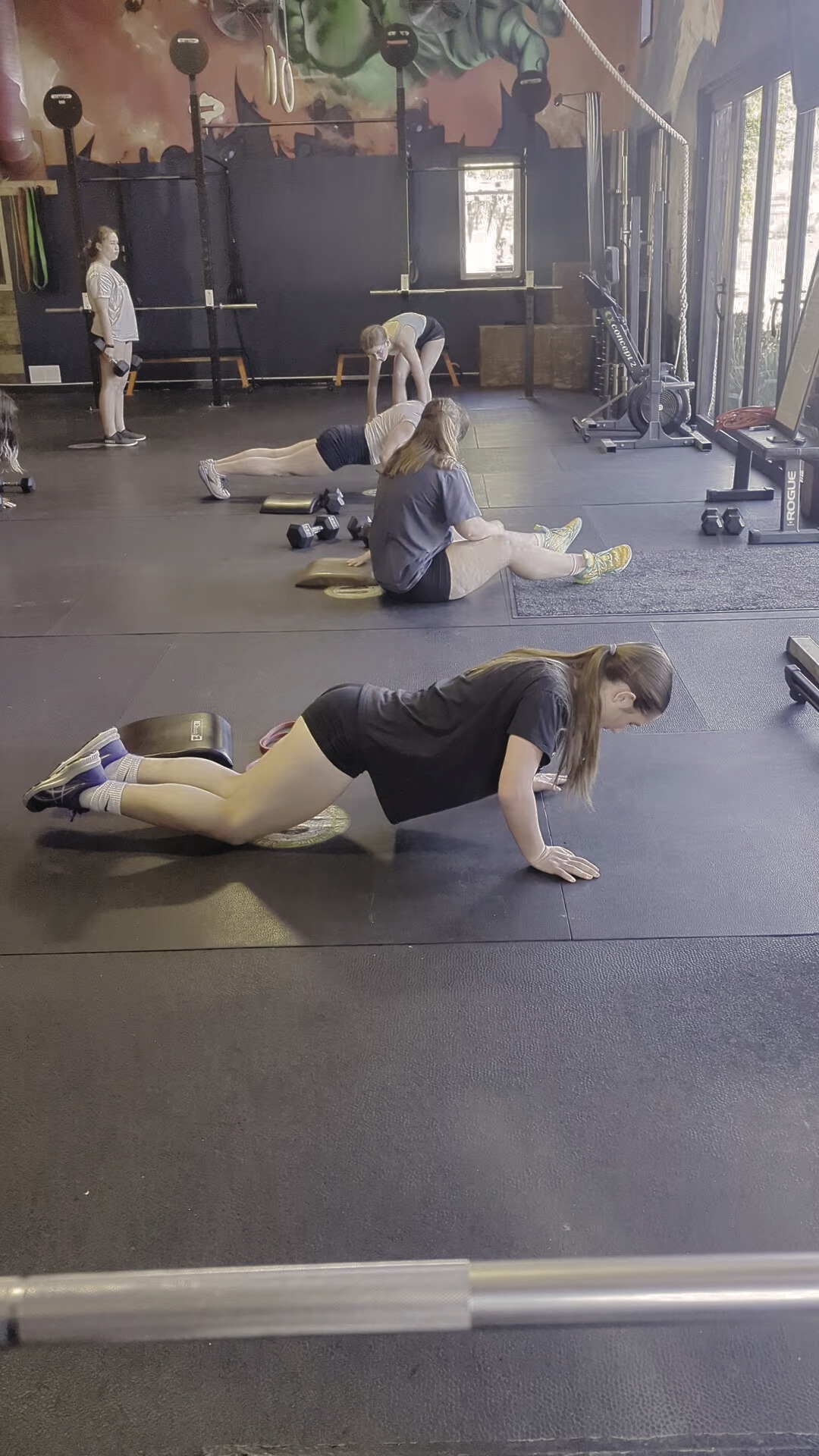
- bodyweight movements like lunges, step-ups, and burpees
- short cardio efforts on the rower, bike, ski, or in circuits
- jumping, landing, and quick changes of direction
That matters because a shoe that feels amazing for a 10 km run is often not the best shoe for lifting, jumping, or moving around the gym.
Why running shoes usually aren’t the best choice
Running shoes are designed for forward motion and lots of cushioning. That’s great for pounding pavement, but not always ideal when you’re trying to squat, deadlift, jump, or move side to side in a workout.
A very soft running shoe can make you feel:
- unstable under a barbell or dumbbells
- wobbly during lunges, step-ups, and single-leg work
- less grounded when you jump and land
- like your heel is rocking around during lifts
If your workouts are a mix of strength and conditioning, a traditional running shoe often gives you too much cushion and not enough stability.
What to look for in a good functional fitness shoe
For most people, the best option is a cross-training shoe or training shoe. Here’s what we’d suggest looking for:
1) A stable base
You want to feel planted when you lift.
Look for a shoe with a firmer sole and a stable heel rather than a super soft, squishy sole. This helps with things like:
- squats
- deadlifts
- kettlebell work
- step-ups and lunges
- general strength training
If it feels like you’re balancing on a pillow, it’s probably too soft for gym training.
2) Enough cushion for cardio, but not too much
Your shoe still needs to be comfortable for short runs, rower intervals, bike work, circuits, and jumping.
That’s why the sweet spot is usually moderate cushioning. Not completely flat and harsh, but not thick and marshmallow-like either.
3) Good support for side-to-side movement
In gym workouts, you don’t just move forward. You pivot, jump, lunge, shuffle, and change direction.
A good training shoe should feel secure when you move in different directions, not like your foot is sliding around inside the shoe.
4) A fit that matches your foot
This matters more than the brand.
When trying on shoes, ask yourself:
- Does my heel feel secure?
- Do my toes have enough room?
- Does the shoe feel snug through the middle of the foot without pinching?
- Can I squat, move, and walk comfortably in it?
Some shoes fit narrow. Some fit wider through the toe box. There is no one perfect shoe for everyone.
Don’t buy a shoe based on the name alone
This is an important one.
Just because a shoe has “Metcon”, “Nano”, or another well-known training name on it does not automatically mean it’s the right shoe for this style of training.
Brands often have multiple versions of the same line. Some are built more for lifting and mixed gym work. Others are designed to feel softer, lighter, or more flexible.
A good example is the Nike line. A more traditional Metcon can be a solid option for gym training, but a Nike Free Metcon is a very different shoe. It’s softer and more flexible, which some people like, but it may not feel nearly as stable for lifting.
That doesn’t mean one is “bad” and one is “good.” It means they are built for different priorities.
So if you’re shopping, don’t just look at the name. Ask:
- Is it actually a stable training shoe?
- Is it too soft for lifting?
- Does it feel secure for jumping and side-to-side movement?
- Is it built for mixed gym training, or more like a cardio/hybrid shoe?
What should a beginner buy?
If you’re just getting started, keep it simple:
Buy a cross-training shoe that feels stable, comfortable, and secure.
Common options people like for functional fitness include shoes from lines such as:
- Nike Metcon
- Reebok Nano
- NOBULL Trainer
- RAD training shoes
- Inov8 training shoes
- Adidas training models
You do not need a fancy shoe right away, and you definitely do not need to buy the most expensive option on the wall.
What if I already have shoes?
That’s totally fine.
If you’re brand new, start with what you have, especially if it’s:
- a flatter trainer
- a court shoe
- a basic gym shoe
- something that feels fairly stable under your feet
Then once you’ve done a few weeks of training and know you’re going to keep going, invest in something better suited to your workouts.
Do I need lifting shoes?
Probably not yet.
Lifting shoes are the hard-soled shoes with an elevated heel that you’ll sometimes see people wear for Olympic lifting or heavy squatting. They can be useful for some experienced lifters, but for most new members they are not the best first purchase.
A good cross-training shoe is a much better starting point because it can handle:
- strength work
- conditioning
- circuits
- jumping
- everyday classes
If you eventually get really into Olympic lifting or heavy barbell work, then we can talk about whether lifting shoes make sense for you.
Our simple advice
If you’re training here a few days a week and doing a mix of strength and conditioning, look for a shoe that is:
- stable enough for lifting
- comfortable enough for short cardio efforts
- supportive for jumping and side-to-side movement
- a good match for your foot shape
And if you’re not sure what to buy, ask a coach before you spend the money.
Seriously, bring us the options you’re looking at, send us a link, or ask us after class. We’d much rather help you choose the right shoe the first time than have you spend a bunch of money on something that looks like a training shoe but doesn’t actually work well for the kind of workouts you’re doing.
The best shoe is the one that helps you feel stable, comfortable, and confident enough to train consistently.
PS Here is the best advice - check facebook marketplace and the sales for last years models normally a fraction of the price.




.jpg)




.png)


.png)


.png)


